

[Expert Consensus] Targeted Solutions to Variant Interference and QC Drift: Leading Medical’s HbA1c Testing Protocol “Leverages Consensus to Overcome Clinical Challenges”
On June 28, 2025, the “Expert Consensus on the Clinical Application of Point-of-Care Glycated Hemoglobin Testing (2025)” was published in “Laboratory Medicine and Clinical Practice.” point out POCT technology offers a new approach to hemoglobin A1c testing. Its simplicity and speed (under 10 minutes) enhance the efficiency of diabetes management. Accelerate the “Testing–Feedback–Intervention” closed loop. , enhancing the timeliness and accuracy of management, and The device is compact and portable, It can be extended to community and household settings, holding significant implications for grassroots diabetes prevention and control.
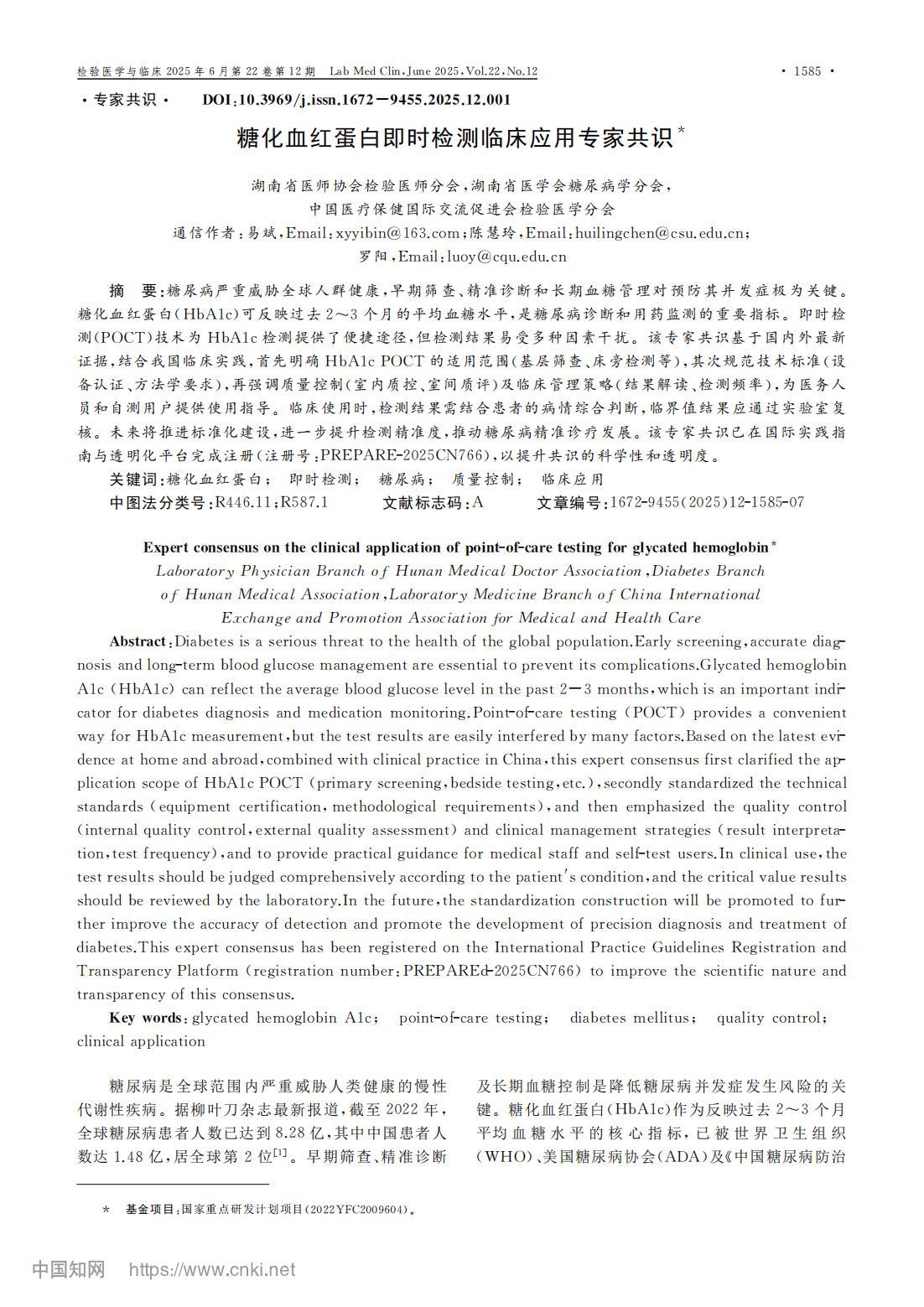
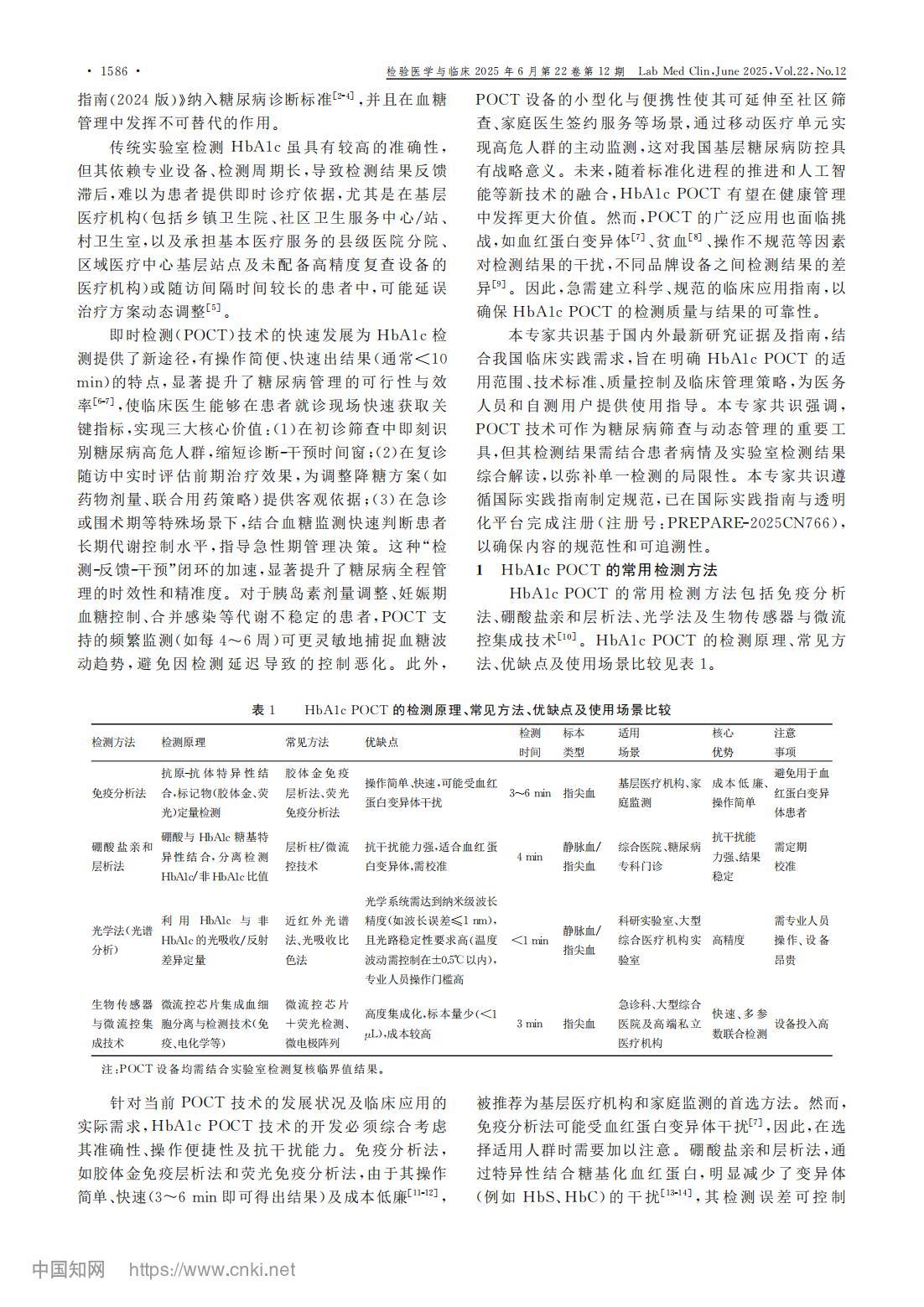
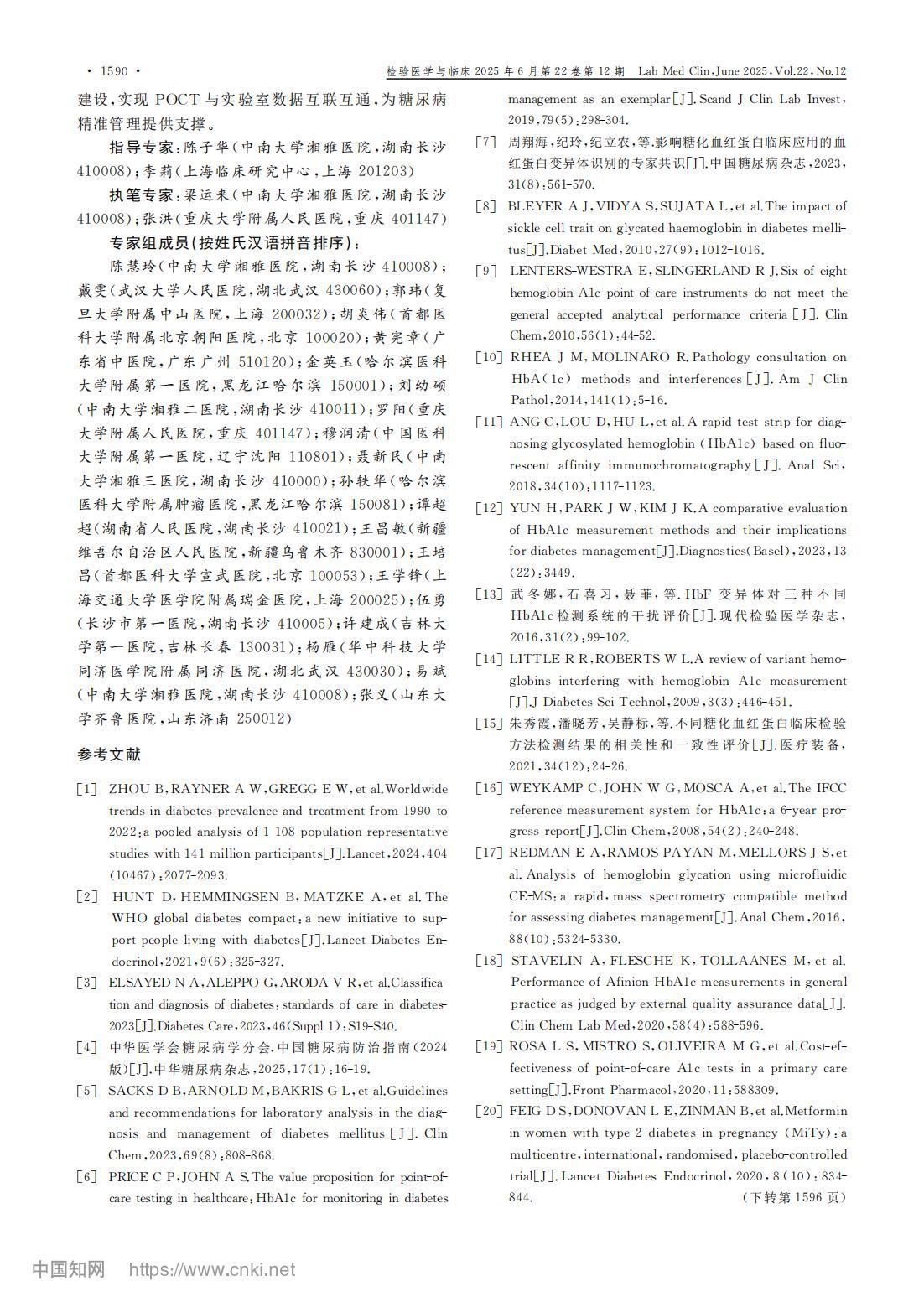
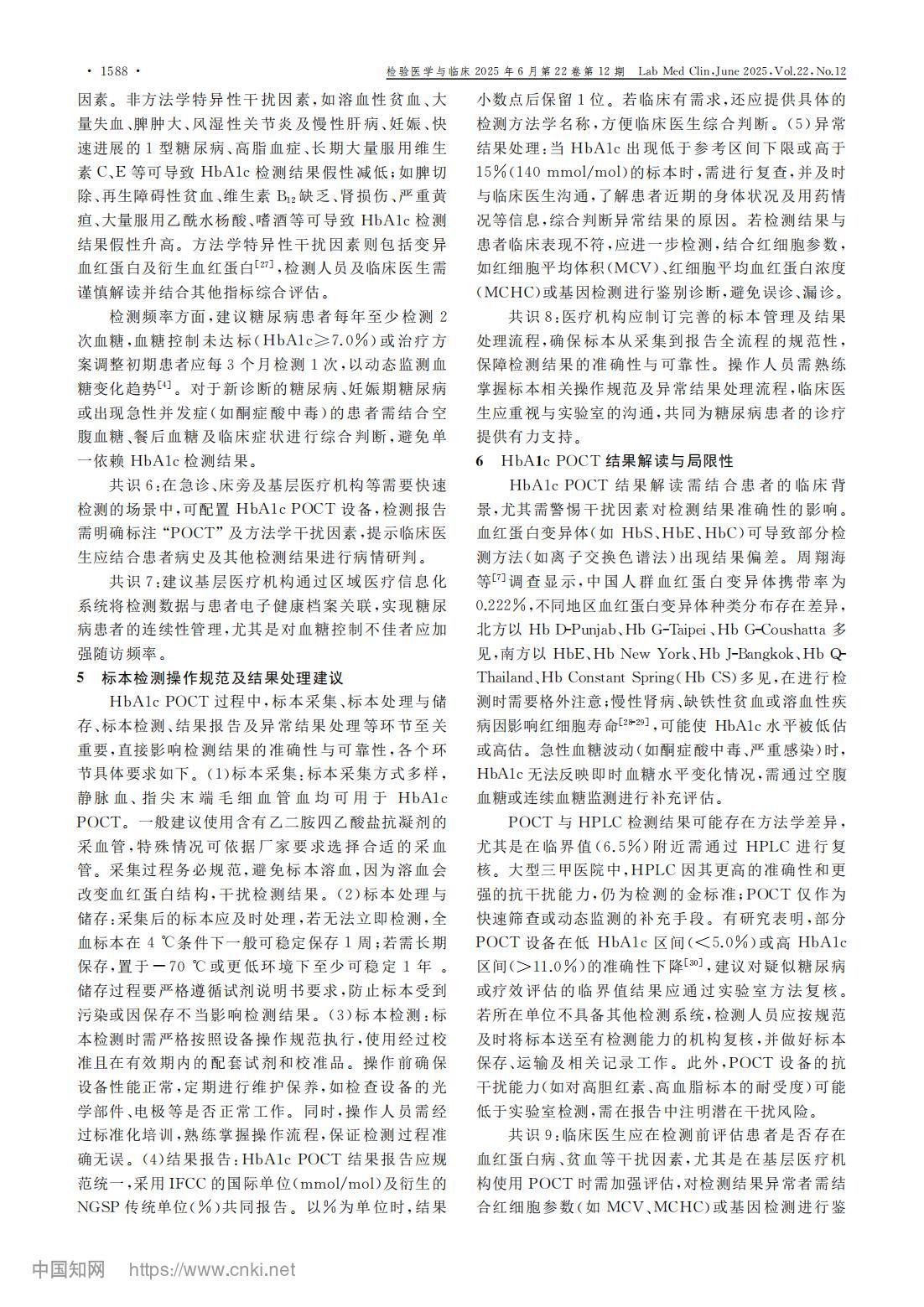
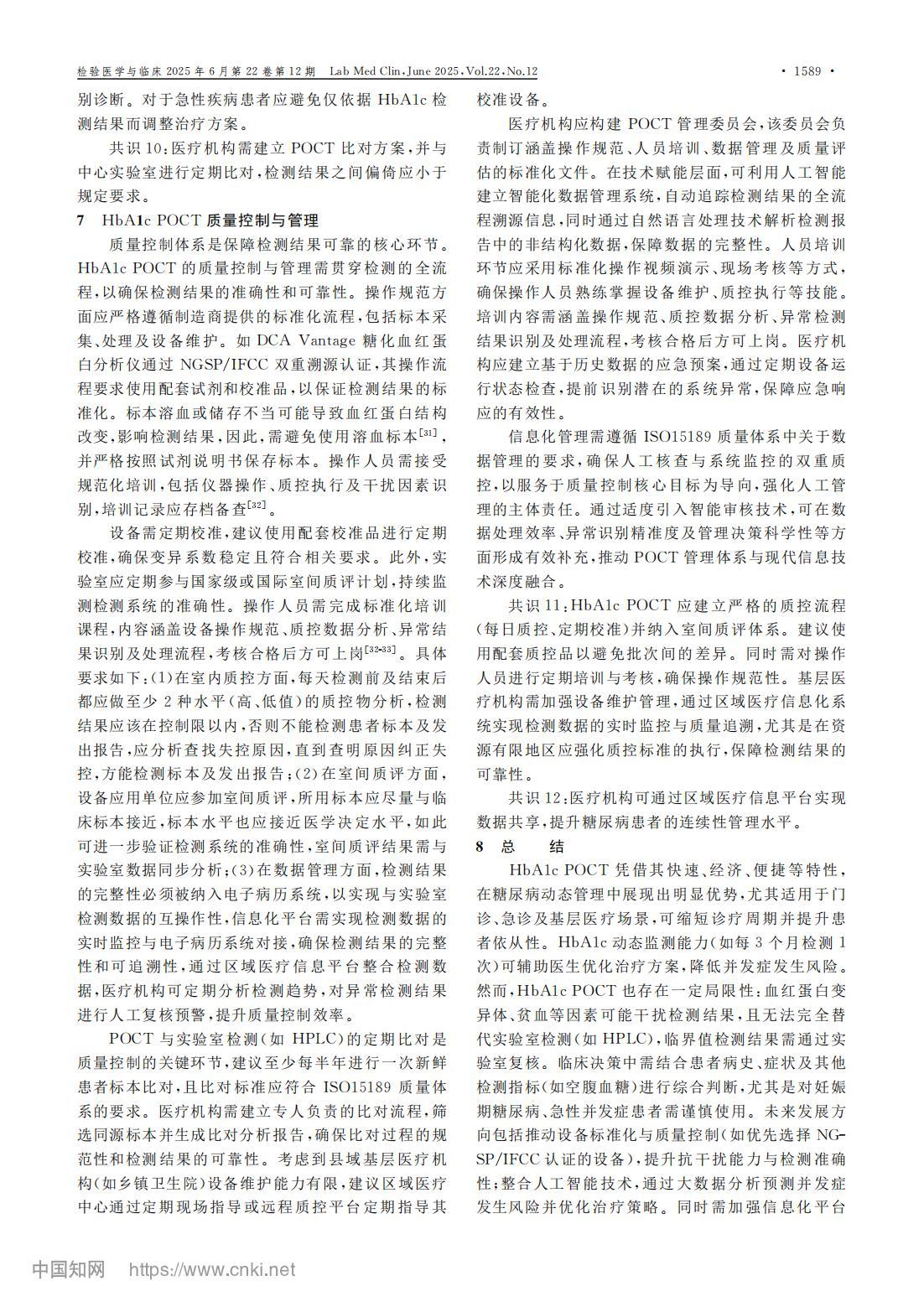
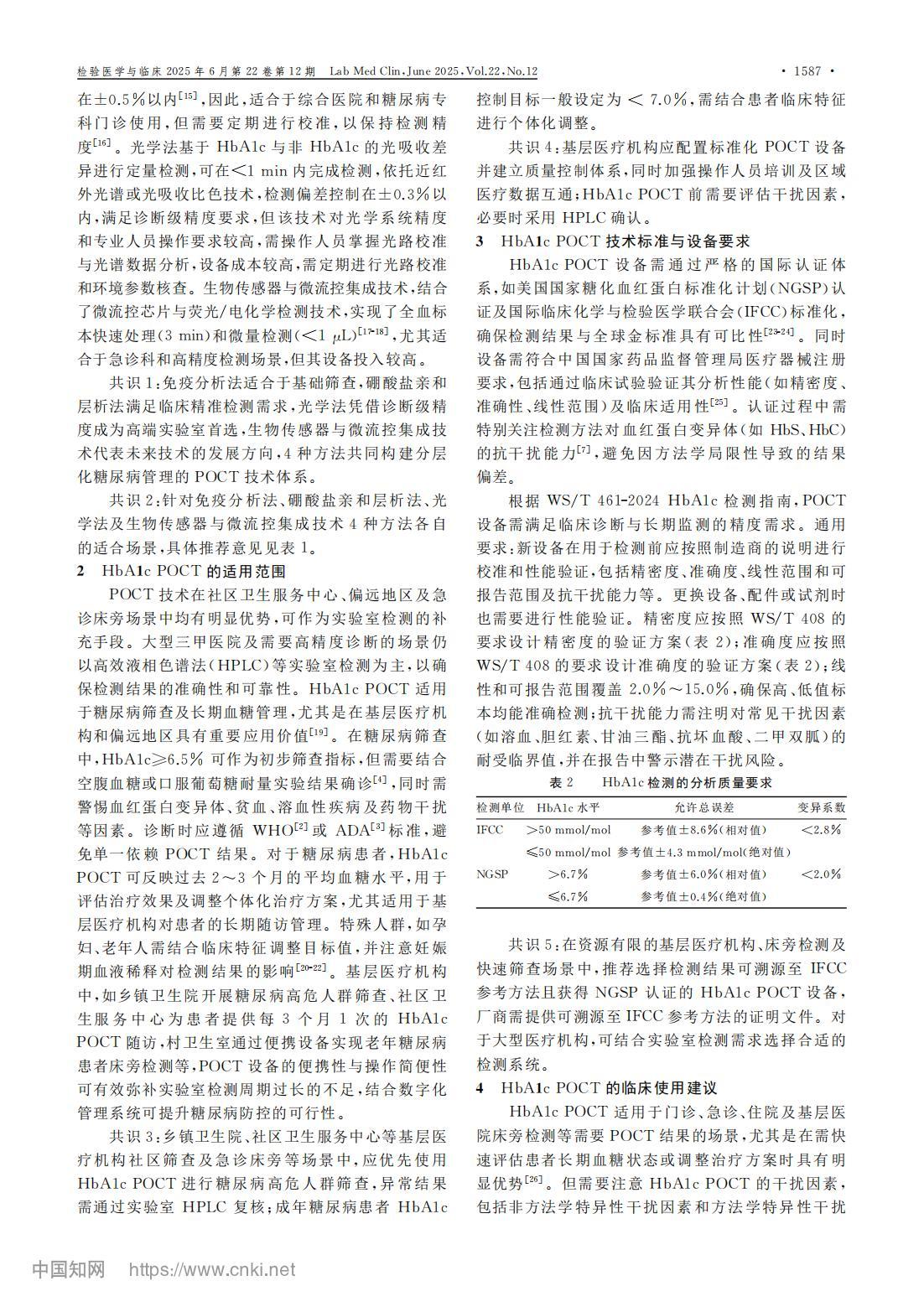
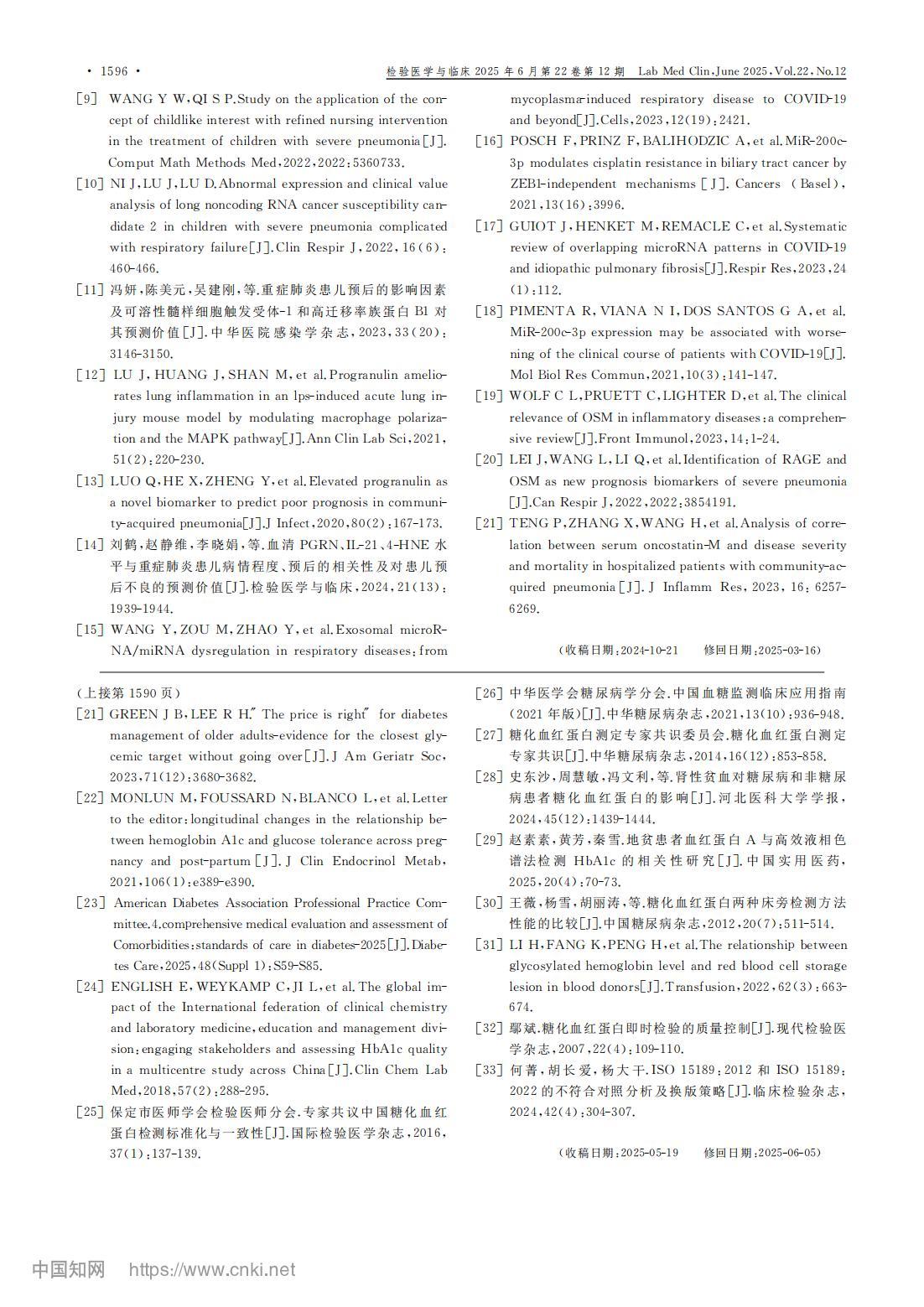
Glycated hemoglobin (HbA1c) Testing is central to the diagnosis and management of diabetes, as it can reflect past… Average blood glucose over 2–3 months, It serves as a critical basis for the diagnosis of diabetes and its complications, as well as for the development of treatment plans.
However, assay accuracy faces challenges. : For every 0.5% increase in error, the risk of misdiagnosis and missed diagnosis rises by 23%; hemoglobin variants can cause test bias ranging from 1.2% to 2.5%, and inadequate quality control can further lead to result drift. [1-4] Relevant expert consensus underscores the importance of precision testing and standardized quality control, while Leading Medical, based on… Point-of-care testing (POCT) technology, boronic acid affinity chromatography Derived from the principle Glycated hemoglobin blue marker (XC-DAPOL-CPBA) and Glycated hemoglobin quality control material The integrated approach aligns with consensus requirements, achieving breakthroughs on both specificity and stability, thereby providing robust support for precision medicine. [5-6] 。
I. Precise Resolution of Variant-Induced Interference: The Targeted Recognition Mechanism of Blue Markers
The overall carrier rate of hemoglobin variants in the Chinese population is approximately 0.222%. The carrier rate of HbE in southern China is approximately 0.58%. Traditional detection methods are prone to misinterpretation: for instance, ion-exchange HPLC has a misidentification rate of about 34.7% for HbE, and immunoassays exhibit a cross-reactivity rate of roughly 8.3% with HbS, which may compromise the accuracy of test results. [6-7] 。
In contrast, boronic acid affinity chromatography can circumvent interference from the aforementioned variants and offers advantages such as rapid analysis and stable results, thereby enabling more accurate HbA1c measurement. [8] 。
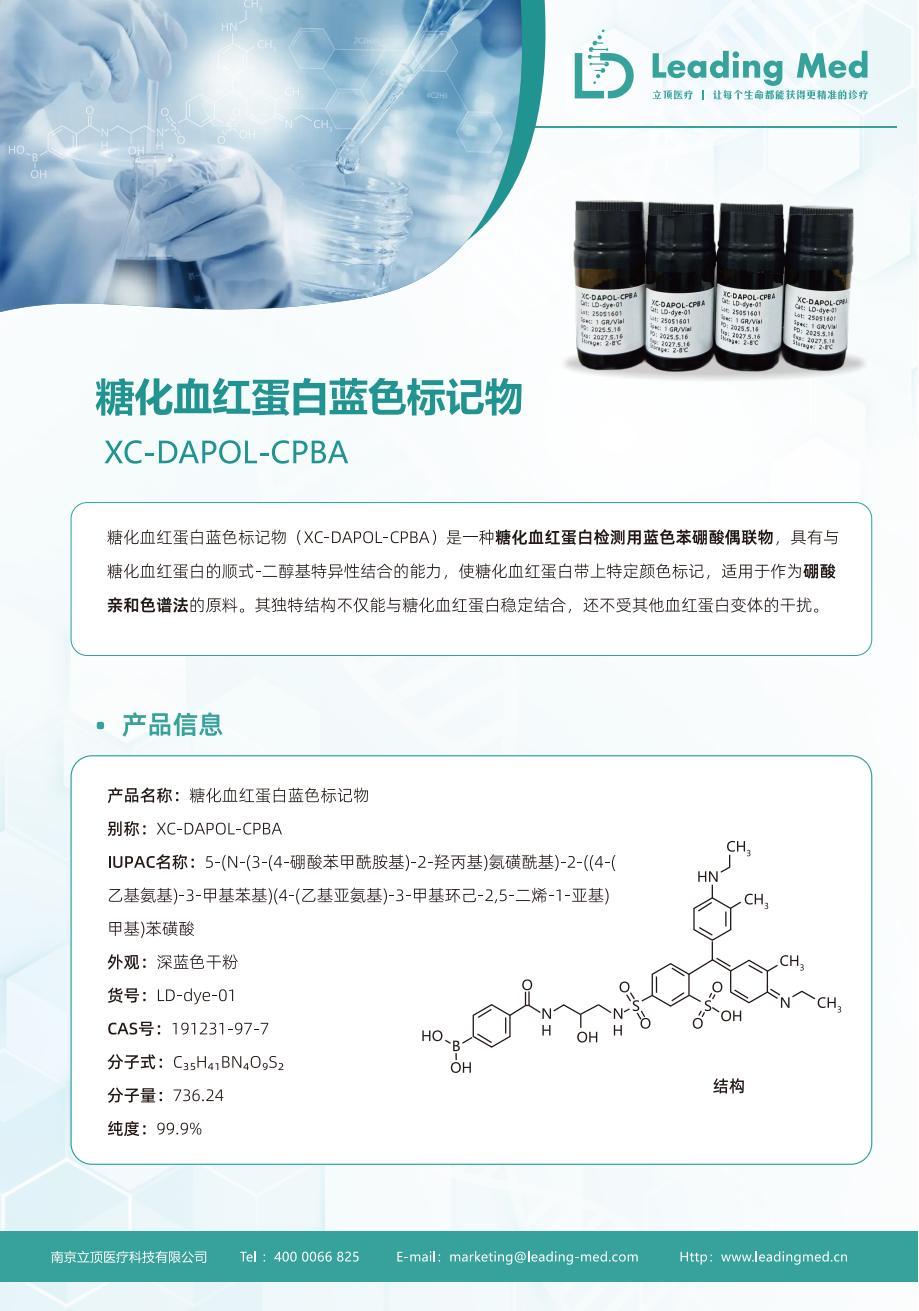
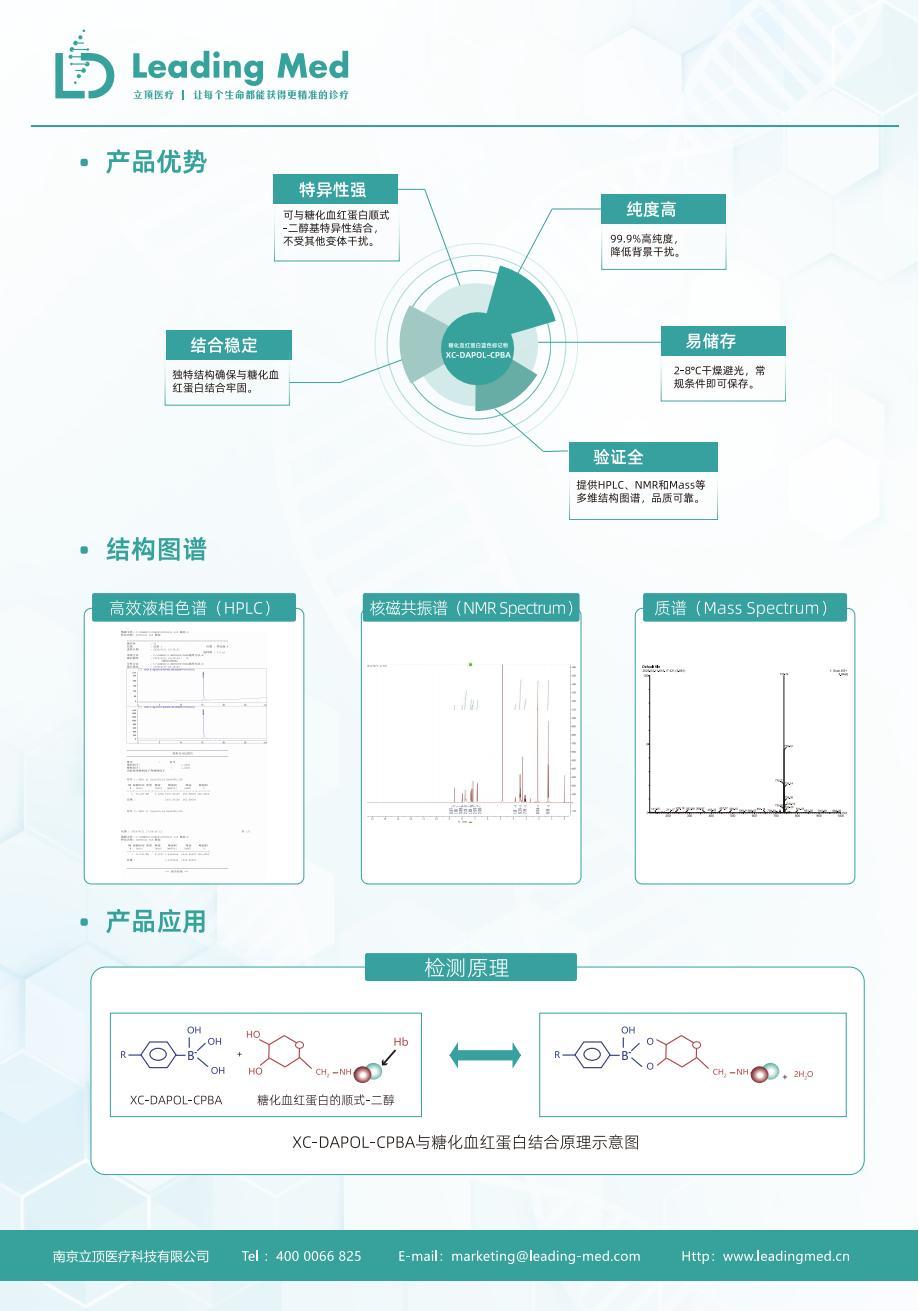
In boronic acid affinity chromatography Chromatography In assay testing, the blue marker is an important reagent, and Liding’s… Glycated hemoglobin blue marker Having a cis configuration similar to that of glycated hemoglobin - It exhibits glycol‑specific binding, is labeled with a distinct color, possesses a stable structure that is unaffected by other hemoglobin variants, and is characterized by high purity, ease of storage, and comprehensive validation.
II. Glycated Hemoglobin Quality Control Materials: A Critical Component for Ensuring the Accuracy of POCT Testing
The use of quality control materials is essential for ensuring the accuracy of POCT assays: Real-time monitoring of detection precision and accuracy, Offsetting interference from variants, operational factors, and other sources to ensure that results can be traced back to international standards. Supports safe clinical decision-making and reduces the risk of misdiagnosis. It is an essential step for meeting standardized management requirements and achieving standardized testing. [5,9] 。
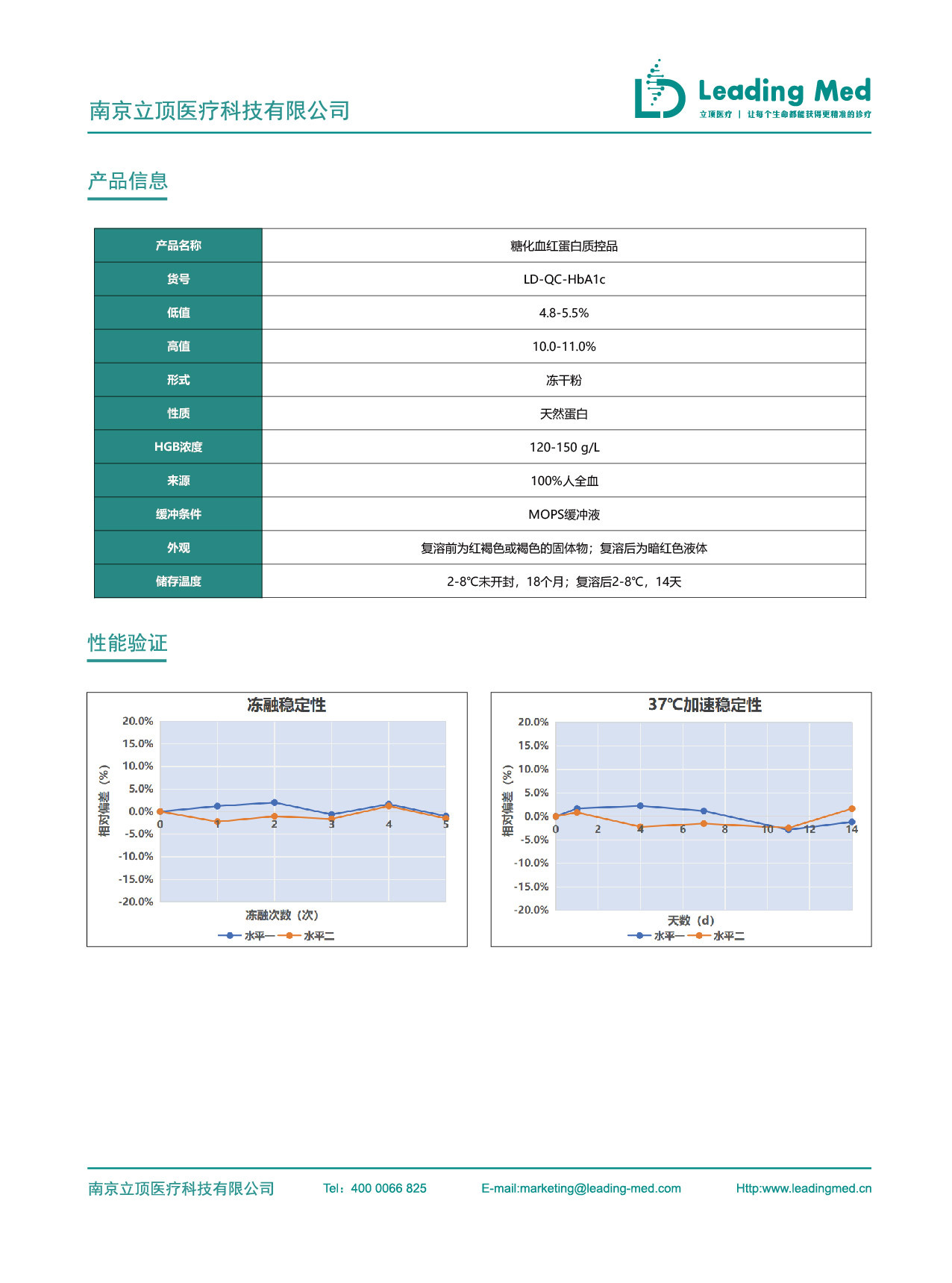
Therefore, Leading has launched Glycated hemoglobin quality control material, Derived from 100% healthy human whole blood, it closely mimics real clinical samples and features minimal lot-to-lot variability, excellent homogeneity, and robust stability, making it suitable for laboratory use. HbA1c Internal quality control of testing to ensure test results. of the Accurate and Repeatability.

References:
[1]Chakravarthy, S.N., Ramanathan, S., S, S. et al. EP15A3 Based Precision and Trueness Verification of VITROS HbA1C Immunoassay. Ind J Clin Biochem. 2019, 34: 89–94.
[2]Standardisation of HbA1c. In: IFCC standardization of HbA1c. National Glycohemoglobin standardization program. 2010.
[3]Rehnuma B, Ibrahim M, Nasir TA. Quality assurance and quality control in clinical laboratories. Pulse. 2015,8: 62–65.
[4]Little RR, Rohlfing C, Sacks DB. The National Glycohemoglobin Standardization Program: Over 20 Years of Improving Hemoglobin A1c Measurement. Clin Chem. 2019, 65(7): 839-848.
[5] Expert Consensus on the Clinical Application of Point-of-Care Glycated Hemoglobin Testing, 2025.
[6] Zhou Xianghai, et al. Expert consensus on the identification of hemoglobin variants that affect the clinical application of glycated hemoglobin. Chinese Journal of Diabetes, 2023, 31(8):561–570.
[7] Song Beiling, Wu Jiong, Hu Jiahua, et al. Impact of common hemoglobin variants on different glycated hemoglobin assay systems [J]. Laboratory Medicine, 2024, 39(12): 1219–1223.
[8] Liu Zhiwei, Zhang Guojun, Hou Lixian, et al. Evaluation of the performance of boronic acid affinity chromatography for the determination of glycated hemoglobin A1c [J]. Chinese Journal of Tropical Medicine, 2010, (1):2.
[9] Yan Bin. Quality Control of Point-of-Care Glycated Hemoglobin Testing. Journal of Modern Laboratory Medicine, 2007, 22(4): 109–110.
2022-07-26
Service Hotline
Address: Building C6, Nanjing Life Science and Technology Innovation Park
Email:marketing@leadingmed.com
Website:www.leadingmed.cn

WeChat Business Consultation
Copyright © All Rights Reserved: Nanjing Leading Medical Technology Co., Ltd.
 xy13584019024